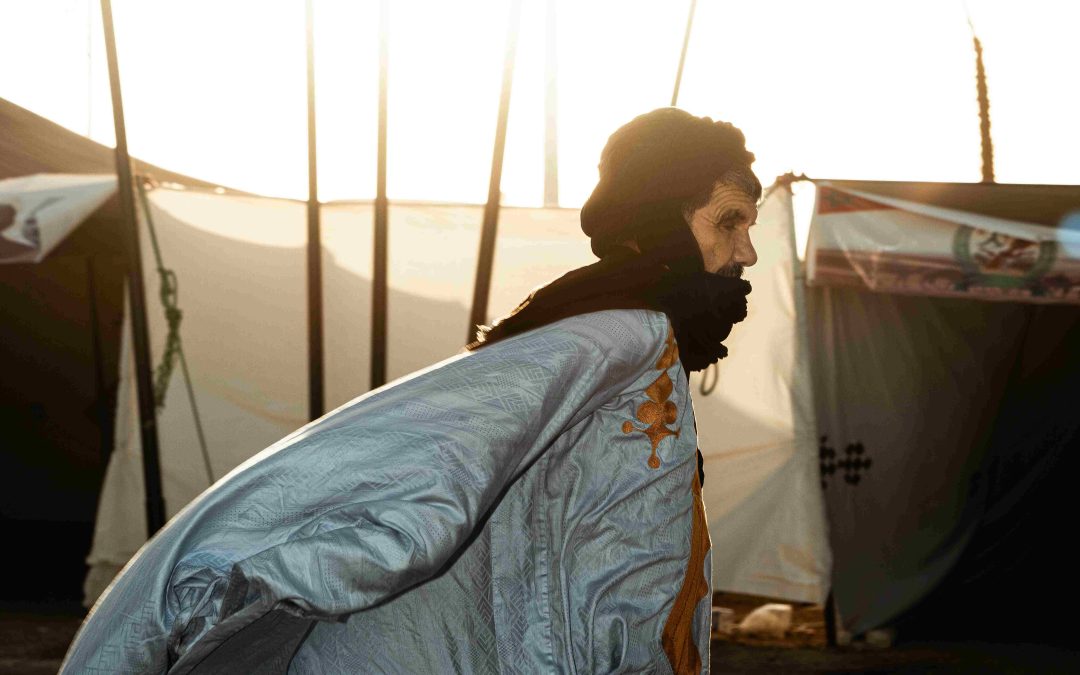
The Amazigh people (often referred to as Berbers) are the indigenous inhabitants of Morocco and one of the oldest living cultures in North Africa. Their presence is deeply rooted across the country, especially in the Atlas Mountains, rural villages, and desert regions.
Today, Amazigh culture in Morocco continues to shape language, traditions, and everyday life, while also adapting to modern society. Many travelers encounter this culture during visits to mountain villages, where traditional lifestyles remain closely connected to nature and community.
This article explores Amazigh (Berber) culture in Morocco, including traditions, lifestyle in the Atlas Mountains, crafts, food, and how this heritage continues to exist in modern times.
Who Are the Amazigh (Berber) People in Morocco?
The Amazigh (often called Berbers) are the indigenous people of Morocco and the wider North African region, with a history that goes back thousands of years. Today, they remain an essential part of Morocco’s cultural identity, especially across the Atlas Mountains, the Rif region, and even parts of the desert.
One of the most meaningful aspects of Amazigh identity is the name itself. Amazigh means “free people,” a reflection of a culture that has always been closely tied to independence, land, and community. This sense of identity is still very present in daily life, particularly in rural and mountain areas where traditions remain strong.
You’ll find Amazigh communities in many parts of Morocco—not just in remote villages, but also in towns and cities where culture, language, and heritage continue to be passed down through generations. What connects them is not a single location, but a shared history and way of life that is deeply rooted in the country.
The term “Amazigh” is the name used by the people themselves and is now officially recognized in Morocco. The word “Berber,” on the other hand, is the more widely known international term and is still commonly used in travel guides and online searches.
To understand more about the broader cultural and historical importance of the Amazigh people, trusted global sources such as UNESCO and National Geographic provide valuable insights into their history, resilience, and contribution to North African civilization.
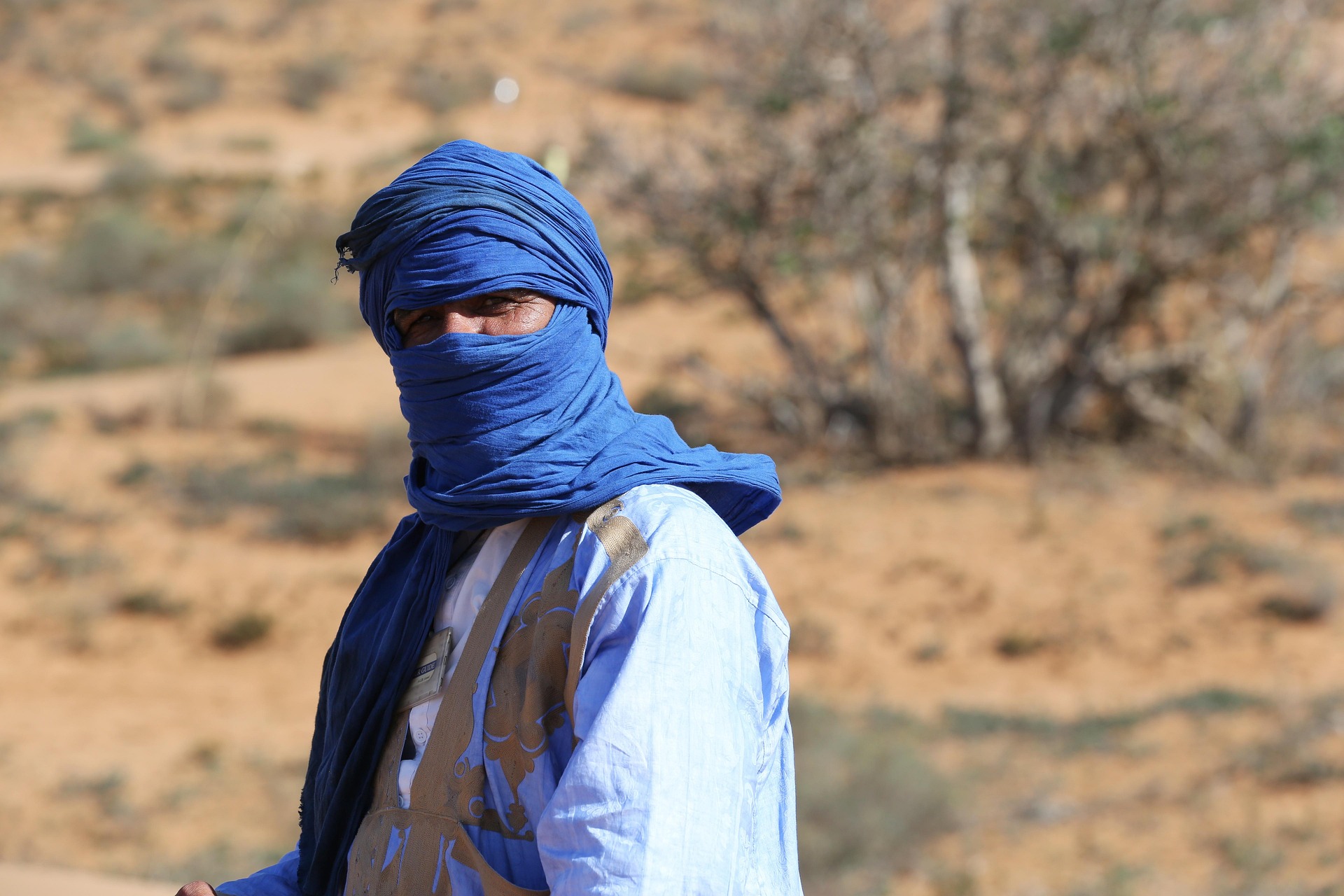
Life in Amazigh Villages of the Atlas Mountains
Life in Amazigh villages across the Atlas Mountains feels very connected to the land and the natural rhythm of the seasons. Spread across the High Atlas and Middle Atlas regions, these villages are often set in dramatic mountain landscapes where daily life has adapted over generations to the terrain and climate.
Most traditional villages are built from stone and earth, blending naturally into their surroundings. This simple architecture is not just aesthetic, it is practical, helping homes stay cool in summer and warm in winter. Over time, communities have learned to work with the mountains rather than against them.
Daily life in these areas is largely based on agriculture and livestock. Families grow crops on terraced land, tend to animals, and rely on seasonal cycles that shape work and routines throughout the year. It’s a slower, more grounded way of living compared to Morocco’s cities, where everything moves at a different pace.
What stands out most to visitors is the strong sense of community. Life in these villages is shared, people help each other with farming, building, celebrations, and everyday tasks. This cooperation is not something formal; it’s simply how life works here and has been passed down through generations.
The rhythm of life also changes with the seasons. Winter can bring snow to higher villages, while summer is a time of farming and outdoor activity. Each season has its own importance and influences how people live and work in the mountains.
Amazigh Traditions, Hospitality & Social Values
Amazigh culture in Morocco is deeply shaped by values, especially hospitality, community, and respect for tradition. In many villages and towns, welcoming guests is not just a social habit, it is an important part of daily life. Visitors are often received with warmth, sometimes with tea or food, as a simple gesture of respect and openness.
Family and community also play a central role in Amazigh society. Life is often organized around close family ties, and people rely on one another in both everyday tasks and important life events. This strong sense of connection creates a supportive environment where cooperation and shared responsibility are natural parts of life.
Another important element of Amazigh heritage is storytelling. For centuries, history, values, and knowledge have been passed down orally, through stories shared between generations. This tradition is still present today, helping preserve identity and cultural memory in a living and personal way.
Music and celebration are also central to Amazigh life. Traditional songs, rhythms, and dances are often part of festivals, weddings, and community gatherings. These moments bring people together and reflect the joy and expression found in many Moroccan traditions.
At the heart of it all is a strong relationship with nature and the land. Whether in the mountains or rural areas, Amazigh communities have always lived closely connected to their environment, shaping a lifestyle that is both practical and respectful of natural resources.
Together, these elements form a living expression of Amazigh culture in Morocco, where tradition is not something distant or historical, but something that continues to exist in everyday life.
Amazigh (Berber) Clothing, Crafts & Symbolism
One of the most visible expressions of Amazigh culture in Morocco is found in its clothing and handmade crafts. These are not just decorative items, they often carry meaning, identity, and a connection to place and tradition.
Among the most well-known creations are handwoven carpets, often referred to as Berber rugs in Morocco. Each rug is unique, usually made by hand in rural villages, and reflects patterns, symbols, and colors that can differ from one region to another.
Silver jewelry is another important part of Amazigh heritage. Many pieces are handcrafted with symbolic shapes and motifs that can represent protection, nature, or identity. In many communities, jewelry is not only worn for beauty but also as a reflection of cultural meaning and craftsmanship.
Traditional clothing in mountain regions is designed with practicality in mind. It is often loose, layered, and adapted to the changing weather of the Atlas Mountains. While styles have evolved over time, many elements of this clothing still reflect the environment and lifestyle of rural communities.
Across Morocco, especially in rural areas, craftsmanship continues through local cooperatives and family workshops. These spaces help preserve traditional skills while also supporting local economies. Today, Amazigh crafts in Morocco are appreciated both locally and by visitors who are interested in authentic handmade work.
Food in Amazigh Communities
Food in Amazigh households is closely tied to simplicity, seasonality, and the land itself. Meals are usually prepared with fresh, local ingredients, often sourced from nearby fields, gardens, or small family farms in rural areas of Morocco.
One of the most common dishes is tagine, slow-cooked over fire or in traditional clay pots. Each household may prepare it differently, depending on available ingredients and regional habits, but it remains a daily staple across many Amazigh communities.
Fresh bread also plays an important role in everyday life. It is often baked in shared or communal ovens, a practice still found in many villages, where families prepare dough at home and bake it together in a central oven.
Mint tea is another essential part of daily routines. It is served throughout the day and offered to guests as a simple gesture of welcome. More than just a drink, it is part of Morocco’s wider culture of hospitality, especially visible in Amazigh communities.
Meals are typically shared, whether within families or with guests. This shared way of eating reflects a practical lifestyle but also strengthens everyday connections between people, making food an important part of social life rather than just nourishment.
Visiting Amazigh Villages in Morocco
Visiting Amazigh villages in the Atlas Mountains is one of the most meaningful ways to experience this culture firsthand. Many travelers come here not just for the scenery, but to understand a way of life that remains closely connected to tradition and nature.
Most visits take place through cultural or trekking tours in the Atlas Mountains, where local guides help travelers explore villages in a respectful and informed way. Independent travel is also possible in some areas, but guided experiences often provide better context and easier access to local communities.
Respect is an important part of visiting these villages. Simple things like asking before taking photos, dressing modestly, and being mindful of local routines help ensure a positive interaction with residents. Hospitality is a natural part of Amazigh life, but it is always appreciated when visitors approach with awareness and consideration.
Encounters with local families are often simple and authentic, sharing tea, learning about daily activities, or observing traditional practices. These moments are usually informal and give visitors a closer look at everyday life in the mountains.
Amazigh vs Berber: What’s the Difference?
The terms Amazigh and Berber refer to the same people, but they come from different contexts.
Amazigh is the original name used by the people themselves. It means “free people” and is the term officially recognized and commonly used in Morocco today.
Berber is an older, external term that became widely used in international travel, history, and online searches.
In simple terms, both names describe the same culture. The difference is that Amazigh reflects identity and modern usage, while Berber remains a familiar term globally.
FAQ — Berber Culture in the Atlas Mountains
What is Berber culture in Morocco?
Berber culture in Morocco refers to the traditions, language, and lifestyle of the Amazigh people, the indigenous inhabitants of North Africa. It is especially visible in rural regions like the Atlas Mountains, where many communities still maintain traditional customs, farming practices, and social structures.
Where do most Berber people live in Morocco?
Most Berber (Amazigh) communities live in the Atlas Mountains, the Rif Mountains, and parts of the Sahara. The Atlas Mountains Berber villages are among the most culturally preserved areas, where traditional lifestyles remain closely connected to the land.
What is daily life like in Atlas Mountains villages?
Daily life in Moroccan mountain villages is simple and community-focused. People rely on agriculture, livestock, and local trade. Homes are built using natural materials, and families often share meals, work, and responsibilities together, reflecting the moroccan berber lifestyle.
What are Berber traditions in Morocco?
Berber traditions in Morocco include hospitality rituals, communal meals, storytelling, music, and seasonal festivals. Handicrafts such as carpet weaving, pottery, and silver jewelry are also key cultural expressions passed down through generations.
What is special about Imlil village culture?
Imlil is one of the most well-known Atlas Mountains Berber villages and a gateway for trekking in the High Atlas. Its culture is rooted in hospitality, mountain farming, and guiding traditions, making it a key destination for an authentic Morocco cultural experience.
What food do Berber villages eat?
Food in Berber villages is simple and locally sourced. Common dishes include tagine, couscous, fresh bread, olives, and mint tea. Meals are usually shared, reflecting strong family and community values central to Berber traditions in Morocco.
Are Berber traditions still alive today?
Yes, Berber traditions are still very much alive, especially in rural mountain regions. While modern influences exist, many communities in the Atlas Mountains continue to speak Amazigh languages, practice traditional crafts, and follow ancestral customs in daily life.
Is visiting Berber villages in the Atlas Mountains worth it?
Yes, visiting Atlas Mountains offers a unique cultural experience. Travelers can explore traditional villages, meet local families, and experience authentic mountain hospitality that is different from Morocco’s urban cities.
Exploring Berber culture in Morocco through the villages of the Atlas Mountains offers far more than a simple travel experience, it is an immersion into a living heritage that has endured for centuries.
The Atlas Mountains Berber villages reveal a Morocco that is authentic, slow-paced, and profoundly rooted in tradition. Whether walking through places like Imlil or experiencing a home-cooked meal in a remote valley, visitors gain a rare insight into a culture that continues to preserve its ancestral values while adapting to the modern world.
For travelers looking to plan an authentic Moroccon cultural experience, official travel resources provide useful guidance on regions, heritage sites, and responsible tourism. You can learn more through the Moroccan National Tourist Office, which highlights key destinations and cultural insights across the country.
Reading about Amazigh (Berber) culture is one thing, but experiencing it in person is something entirely different.
At Holiday Morocco Tours, these experiences are not approached as simple stops on a trip, but as meaningful moments that connect travelers with the people, traditions, and landscapes that shape Morocco.
Whether it’s a journey through the Atlas Mountains, a visit to traditional villages, or a broader cultural itinerary, the focus is always on creating authentic and respectful experiences that reflect the real Morocco.
For those who want to go beyond sightseeing and truly understand the country, exploring Amazigh culture on the ground can be one of the most memorable parts of the journey.