Chebakia and Ramadan in Morocco A Sweet Tradition That Welcomes Travelers
Ramadan in Morocco Through Taste and Tradition
Ramadan in Morocco is more than a sacred month of fasting and reflection; it is a time when traditions come alive, streets glow at sunset, and the aroma of homemade dishes fills every neighborhood. As the call to prayer signals the end of the fast, families gather around beautifully prepared tables, sharing food that carries centuries of history and meaning. For travelers, this moment offers a rare and authentic glimpse into Moroccan daily life and hospitality.
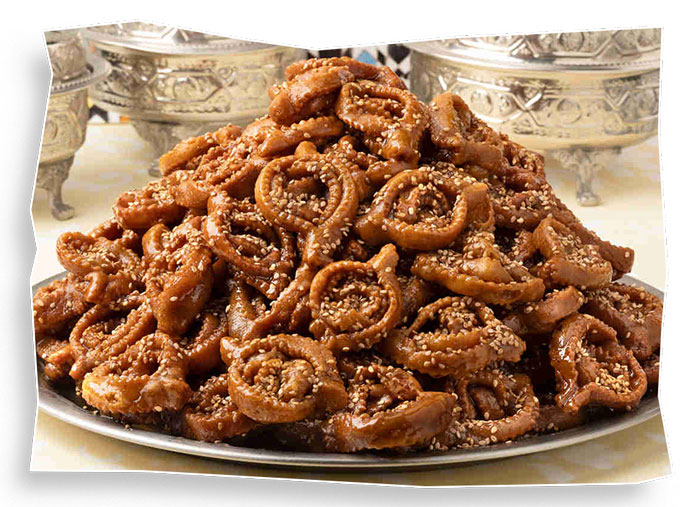
At the heart of these evening gatherings lies Moroccan cuisine, an essential part of the Ramadan experience. Each dish served at iftar tells a story of generosity, patience, and community. Among them, Chebakia stands out as an unmistakable symbol of the season, golden, delicately shaped, soaked in honey, and sprinkled with sesame seeds. Its sweet fragrance is inseparable from the spirit of Ramadan in Morocco.
Discovering Chebakia during Ramadan is not just about tasting a dessert; it is about understanding a culture through its flavors. For visitors exploring Morocco during this holy month, Chebakia becomes a delicious gateway to local traditions, warm family moments, and the timeless art of Moroccan hospitality.
What Is Chebakia? Morocco’s Most Beloved Ramadan Pastry
Chebakia (also spelled chebbakiya or shebakia) is a traditional Moroccan pastry that appears almost exclusively during the holy month of Ramadan, making it one of the most anticipated treats of the year. Recognizable by its intricate, flower-like shape, Chebakia is made from dough flavored with sesame seeds, anise, cinnamon, saffron, and orange blossom water. Once shaped by hand, it is deep-fried until golden, then generously soaked in warm honey and finished with a sprinkling of toasted sesame seeds.
What makes Chebakia truly special is not only its rich taste but its deep cultural significance. Unlike everyday sweets, Chebakia is prepared with care and patience, often in large quantities, as families get ready to welcome Ramadan. The process itself becomes a tradition, a shared activity that brings relatives and neighbors together in the days leading up to the holy month.
For travelers, tasting Chebakia is an essential culinary experience in Morocco. Whether enjoyed in a traditional riad, offered by a local family, or purchased fresh from a bustling medina bakery, this iconic pastry captures the essence of Moroccan Ramadan. Its unique flavors and handmade beauty reflect the country’s long-standing love for craftsmanship, tradition, and heartfelt hospitality.
The Symbolism of Chebakia During Ramadan
In Morocco, Chebakia is far more than a sweet pastry; it is a symbol of generosity, unity, and the spirit of sharing that defines Ramadan. Its presence on the iftar table represents abundance and care, as families prepare it in large quantities not only for themselves but also to share with neighbors, friends, and those in need. Offering Chebakia is a quiet gesture of kindness, deeply rooted in Moroccan values.
The act of making Chebakia itself carries meaning. Families often gather days before Ramadan to prepare it together, turning the kitchen into a space of laughter, cooperation, and storytelling. This collective effort reflects the essence of the holy month: patience, gratitude, and togetherness. Each carefully folded piece becomes a reminder that Ramadan is as much about human connection as it is about fasting.
For visitors experiencing Ramadan in Morocco, Chebakia offers a powerful cultural insight. Being invited to share this iconic pastry is often a sign of genuine welcome and hospitality. Through Chebakia, travelers can feel the warmth of Moroccan traditions and understand how food serves as a bridge between people, cultures, and shared moments of celebration.
A Culinary Heritage Passed Down Through Generations
The art of making Chebakia has been carefully preserved through generations, passed from grandmothers to mothers, and from mothers to daughters. Each family often guards its own recipe, with subtle variations in spices or shaping techniques that make every batch unique. This transmission of knowledge reflects Morocco’s deep respect for tradition and its commitment to preserving culinary heritage.
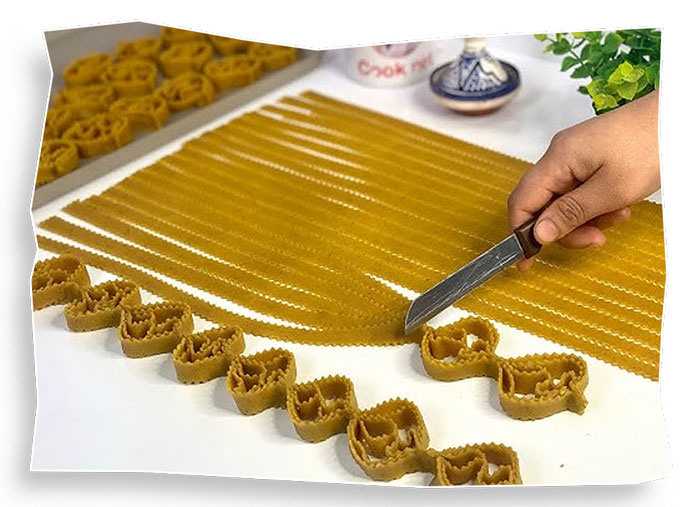
Preparing Chebakia is a time-honored ritual that begins long before Ramadan starts. The dough is mixed, rolled, shaped, fried, and coated with honey, a process that requires patience, precision, and experience. In many Moroccan homes, this preparation becomes a social event, where stories are shared and skills are taught, reinforcing strong family bonds and cultural identity.
For travelers, witnessing or participating in this tradition offers an unforgettable cultural experience. Whether through a cooking class, a homestay, or a visit to a local neighborhood during Ramadan preparations, Chebakia provides a meaningful way to connect with Moroccan life beyond sightseeing. It reveals how food, memory, and tradition intertwine to create a living heritage that continues to define Morocco today.
Experiencing Chebakia as a Traveler in Morocco
For travelers visiting Morocco during Ramadan, Chebakia becomes a delicious introduction to the country’s living traditions. As sunset approaches, bakeries and street stalls display trays of freshly made Chebakia, their golden color and honeyed shine drawing locals and visitors alike. Walking through the medinas at this time offers a sensory experience filled with warmth, aromas, and anticipation.
Many riads and traditional guesthouses include Chebakia as part of the iftar meal, often served with the famous Moroccan harira soup. Some travelers may even be invited to share iftar with a local family, where tasting homemade Chebakia becomes a moment of genuine cultural exchange. These shared meals offer insight into Moroccan hospitality, where guests are treated with generosity and respect.
Beyond tasting it, travelers can also learn how Chebakia is made through cooking workshops and food-focused cultural experiences. These hands-on activities allow visitors to appreciate the craftsmanship behind this iconic pastry while creating meaningful memories. Experiencing Chebakia in Morocco is not just about flavor — it is about connection, tradition, and discovering the heart of Ramadan through local life.
Chebakia and Moroccan Cities: A Sweet Journey Across the Country
Although Chebakia is enjoyed throughout Morocco, each region adds its own subtle touch, making it a delightful way for travelers to explore the country through flavor. In cities like Fez, known for its deep culinary traditions, Chebakia is often rich in spices and carefully shaped, reflecting the city’s reputation for refinement and craftsmanship. In Marrakech, the pastry may be slightly lighter and widely available in vibrant souks during Ramadan evenings.
Coastal cities such as Rabat and Casablanca offer their own interpretations, often prepared in neighborhood bakeries where locals gather daily to buy fresh Ramadan treats. In northern towns like Chefchaouen or Tetouan, Chebakia is enjoyed in a calmer atmosphere, where Ramadan nights are peaceful and deeply spiritual, creating a different but equally authentic experience for visitors.
Traveling across Morocco during Ramadan allows visitors to experience how the same tradition unites diverse cities and cultures. Chebakia becomes a sweet companion on this journey, connecting bustling medinas, historic towns, and quiet neighborhoods. Through this iconic pastry, travelers discover how Morocco’s regional diversity blends seamlessly with shared customs and a strong sense of national identity.
Discover Morocco Through Its Ramadan Traditions
Embark on a journey to Morocco during Ramadan and experience the magic of its traditions firsthand. Taste the iconic Chebakia, share in the warmth of Moroccan hospitality, and discover a country where culture, cuisine, and celebration come together in unforgettable ways. Book your Moroccan adventure today and let the flavors of Ramadan guide your journey!
Why Visiting Morocco During Ramadan Is a Unique Experience
Visiting Morocco during Ramadan offers travelers a deeper, more meaningful connection to the country’s culture and traditions. While daily life slows down during daylight hours, the atmosphere transforms completely after sunset. Streets come alive, families gather, shops reopen, and the scent of traditional dishes fills the air. It is during these moments that Morocco reveals its most authentic and intimate side.
Ramadan in Morocco is also a time of heightened hospitality. Visitors are often welcomed warmly and may be invited to share iftar meals, where dishes like harira and Chebakia play a central role. These shared experiences allow travelers to move beyond sightseeing and truly engage with local customs, gaining insight into the values of generosity, respect, and community.
For those seeking cultural immersion rather than crowded festivities, Ramadan provides a peaceful yet vibrant travel experience. Evenings are rich with social life, spiritual reflection, and culinary discovery, making it an ideal time to explore Morocco at a gentler pace. Experiencing Ramadan through traditions like Chebakia turns a journey into a memorable cultural exchange that stays with travelers long after they leave.
Tips for Travelers Visiting Morocco During Ramadan
Traveling to Morocco during Ramadan can be a deeply rewarding experience, but it helps to be prepared to navigate local customs respectfully. Here are some essential tips to make the most of your visit:
- Respect Fasting Hours: Many Moroccans fast from dawn to sunset, so avoid eating, drinking, or smoking in public during daylight hours, especially in traditional areas. Cafés and restaurants may be closed until iftar.
- Enjoy the Evening Festivities: After sunset, Morocco comes alive with iftar gatherings, bustling souks, and street vendors selling Ramadan delicacies like Chebakia. This is the best time to explore and taste local cuisine.
- Participate Mindfully: If invited to an iftar meal, accept with gratitude. Trying Chebakia or harira shows appreciation for Moroccan hospitality and culture.
- Dress Modestly: Ramadan is a spiritual month, so dressing conservatively is a sign of respect in public spaces, religious sites, and family homes.
- Plan Sightseeing Around Ramadan Hours: Many tourist attractions remain open, but crowds may be smaller during fasting hours. Use the daytime for museums, palaces, and cultural sites, and enjoy the lively streets and food markets in the evenings.
- Engage With Local Customs: Take the opportunity to learn about Ramadan traditions, such as the communal preparation of Chebakia, lantern decorations, and nightly prayers. Immersing yourself respectfully enhances your travel experience.
By keeping these tips in mind, travelers can experience Morocco during Ramadan in a meaningful, enjoyable, and culturally sensitive way.
Chebakia, a Sweet Invitation to Discover Morocco
Chebakia is more than just a golden, honey-soaked pastry; it is a symbol of Moroccan culture, hospitality, and the joy of sharing during Ramadan. From the bustling medinas of Marrakech to the historic streets of Fez, this iconic sweet embodies centuries of tradition, family connection, and culinary artistry. For travelers, tasting Chebakia is not only a delicious experience but also a meaningful way to understand Morocco’s heart and heritage.
Visiting Morocco during Ramadan offers a unique opportunity to witness these traditions firsthand, from vibrant evening markets to intimate iftar gatherings. Through Chebakia and other local customs, travelers can immerse themselves in authentic Moroccan life, creating memories that go far beyond sightseeing.