Is Morocco a Digital Country? Discover the Modern Side of Morocco
When most people think of Morocco, images of golden deserts, camels, and bustling traditional markets often come to mind. While these are undoubtedly part of the country’s rich heritage, they only tell half the story. In reality, Morocco is a modern, digitally connected nation that has embraced technology across multiple sectors, from government services to urban living, startups, and tourism.
For travelers wondering whether Morocco is “a digital country,” the answer is a resounding yes. Before booking a trip, it’s natural to ask whether the country can support online services, mobile payments, high-speed internet, or even just easy navigation through modern cities. The good news is that Morocco has been investing heavily in digital infrastructure, smart cities, and innovative tech solutions, making it a destination where tradition and modernity coexist seamlessly.
In this blog post, we’ll take you beyond the stereotypes and show you how Morocco is not just a land of ancient culture and scenic deserts; it’s also a country ready for the new digital generation.
Morocco’s Digital Infrastructure
Morocco has made significant strides in building a modern digital foundation. Today, the country boasts a high internet penetration rate, with over 70% of the population connected online, and mobile connectivity is nearly universal in urban and many rural areas. Major cities like Casablanca, Rabat, Marrakech, and Tangier offer reliable high-speed internet, free Wi-Fi in public spaces, and strong mobile networks, ensuring that travelers can stay connected anywhere.
The Moroccan government has also prioritized digital development through initiatives such as “Digital Morocco 2020” and ongoing smart infrastructure projects. These programs focus on expanding internet access, improving e-government services, and promoting digital literacy nationwide. This means that whether you’re paying bills online, booking hotels through apps, or navigating cities with GPS, Morocco provides the digital tools you need for a smooth and modern experience.
Moreover, Morocco is embracing digital payment systems, from mobile wallets like M-Wallet to contactless card payments widely accepted in shops, restaurants, and even taxis. For travelers, this translates to convenience and security, eliminating the need to carry large amounts of cash while exploring both cities and tourist destinations.
In short, Morocco is not just connected; it’s digitally prepared for both locals and visitors, making it a modern destination where technology enhances everyday life without replacing its cultural charm.
Smart Cities and Urban Innovation
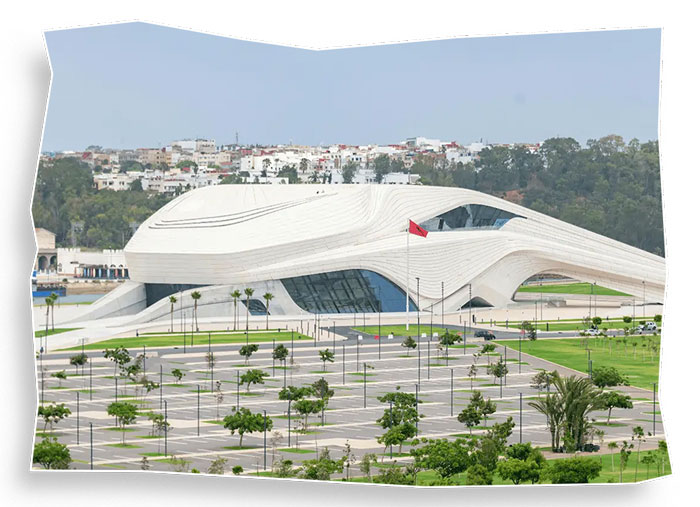
Morocco’s major cities are a testament to its digital evolution. Cities like Casablanca, Rabat, and Marrakech are not only cultural hubs but also modern urban centers embracing smart city technologies. From intelligent traffic management systems to efficient public transportation and digital municipal services, Moroccan cities are making life easier for both residents and travelers.
In Casablanca, for example, smart traffic lights and real-time transportation apps help reduce congestion, while Rabat has integrated digital services for city management, allowing citizens to pay bills, book permits, and access public information online. Marrakech, known for its tourism, has also adopted digital ticketing for attractions and events, making it seamless for travelers to plan their visits.
Beyond infrastructure, urban innovation extends to everyday convenience. Digital payment methods, mobile apps for taxis, and location-based services are widely used, reflecting a city lifestyle that is on par with many European destinations. Travelers can navigate cities, shop, dine, and explore without feeling disconnected or out of touch.
These smart city initiatives demonstrate that Morocco is not just preserving its cultural heritage; it’s also preparing its urban centers for a digital future, blending modern technology with its rich history to create a unique, accessible experience for visitors.
Tech and Startups Scene
Morocco is quickly emerging as a hub for innovation and entrepreneurship, making it a key player in Africa’s digital economy. Cities like Casablanca, Rabat, and Marrakech are home to vibrant tech ecosystems, with numerous startup incubators, co-working spaces, and innovation hubs supporting young entrepreneurs and digital talent.
Moroccan startups are tackling challenges in fintech, e-commerce, health tech, and tourism, often gaining international recognition. For instance, companies like Chari.ma (B2B e-commerce) and Hmizate (digital marketplace) have grown rapidly, demonstrating that Morocco is fostering digital solutions that meet global standards.
The government is also actively supporting this growth through initiatives like the Startup Act, which provides funding, tax incentives, and simplified regulations for tech entrepreneurs. These efforts have made Morocco one of the most attractive destinations in North Africa for startups and digital innovation.
For travelers, this means Morocco isn’t just a place to visit; it’s a country embracing the digital economy, offering tech-friendly services, modern business solutions, and a glimpse into a forward-thinking society. Whether you’re a digital nomad, a business traveler, or simply someone who values connectivity, Morocco’s tech scene ensures you’ll feel right at home.
Discover the magic of Morocco with us!
From bustling markets to hidden gems, authentic experiences to unforgettable adventures, we’ll help you explore the country safely, smartly, and affordably. Start your Moroccan journey today and create memories that will last a lifetime!
Digital Services for Travelers
Traveling in Morocco today is easier and more connected than ever, thanks to a wide range of digital services designed for convenience and comfort. From booking flights and hotels to exploring attractions, Morocco has embraced technology to make every step of your journey smoother.
Many cities offer mobile apps for tourism, including guides, maps, and event information in multiple languages. Travelers can also use ride-hailing apps to get around safely and efficiently, while digital payment options like contactless cards and mobile wallets are widely accepted in restaurants, hotels, and shops. Even traditional markets are gradually adopting QR codes and digital payments, blending heritage with modern convenience.
For attractions, museums, and cultural sites, online ticketing systems and virtual tours make planning ahead simple. Travelers can skip long lines and access information digitally, ensuring a hassle-free experience. Moreover, reliable internet access throughout urban areas and major tourist destinations allows visitors to stay connected, share experiences in real time, and navigate Morocco’s cities and landscapes with ease.
In essence, Morocco offers a travel experience that balances modern digital convenience with its rich cultural charm, proving that the country is fully equipped to welcome tech-savvy travelers.
Misconceptions vs. Reality
Many travelers still picture Morocco as a land of endless deserts, camels, and ancient medinas. While these are iconic parts of the country’s heritage, they represent only a small slice of modern Morocco. In reality, the country is a dynamic mix of tradition and innovation, where digital advancements and cultural richness coexist.
Modern Moroccan cities are filled with high-rise offices, shopping malls, tech hubs, and smart infrastructure, challenging the outdated image of Morocco as “behind the times.” Even in smaller towns and tourist destinations, digital connectivity is increasingly common, with mobile networks, online services, and digital payment options readily available.
This coexistence is part of Morocco’s unique charm: visitors can experience centuries-old culture and modern technology simultaneously. You can wander a historic medina in the morning, navigate the city with a smartphone app in the afternoon, and pay for dinner using contactless payment in the evening. Morocco proves that heritage and progress are not mutually exclusive, offering travelers an experience that is both authentic and seamlessly modern.
Conclusion:
Morocco is far more than the stereotypes of deserts, camels, and ancient medinas. It is a modern, digitally connected country with thriving cities, smart infrastructure, a growing tech and startup ecosystem, and traveler-friendly digital services. Whether you’re exploring urban centers, planning a trip, or navigating tourist attractions, Morocco offers the tools and technology that today’s travelers expect.
By embracing both innovation and tradition, Morocco provides a unique experience where modern conveniences enhance your journey without diminishing its rich cultural heritage. For travelers curious about the country’s digital side, Morocco is ready to impress, proving that it is not just a destination of the past, but a country shaping its digital future.
Much appreciated!