Moroccan Herbal Medicine and Traditional Remedies: Nature’s Ancient Healing Wisdom
Across the deserts, mountains, and coastal plains of Morocco, nature has long been the country’s most trusted healer. Moroccan herbal medicine is not a modern wellness trend but an ancient system of healing that has evolved over thousands of years. It draws from Amazigh (Berber) traditions, Arab-Islamic medicine, and Andalusian botanical knowledge, forming one of the most diverse and time-tested herbal practices in North Africa.
In Moroccan culture, health and nature are inseparable. From the bustling herbal markets (Souk el Attarine) of Fez and Marrakech to the quiet mountain villages where wild herbs still grow freely, plant-based remedies remain part of daily life. Families continue to rely on local healers and herbalists known as ‘Attarine’ for everything from digestive discomfort to skin care and spiritual protection.
What makes Morocco’s approach unique is its harmony between science, spirituality, and sustainability. Many of its plants, like argan, rosemary, and thyme, are now studied by researchers for their medicinal value. According to UNESCO, traditional knowledge of plants and their healing uses is considered an essential part of Morocco’s intangible cultural heritage, safeguarding both biodiversity and ancestral wisdom.
As modern science begins to validate what ancient Moroccan healers have long known, the world is turning its gaze toward this North African treasure, where nature’s pharmacy still thrives in its purest form.
The Roots of Moroccan Herbal Medicine
The origins of Moroccan herbal medicine stem from the profound connection between people and nature that has shaped the country for centuries. Morocco’s landscapes, from the rugged valleys of the Atlas Mountains to the golden dunes of the Sahara Desert, provide a natural pharmacy of medicinal plants. These environments have nurtured both biodiversity and ancient healing traditions that remain alive today.
At the heart of this heritage are the Amazigh (Berber) people, who developed a profound understanding of local flora long before written medicine existed. Using wild herbs for healing wounds, easing pain, or restoring balance to the body, they viewed nature as both teacher and healer. Over time, their practical knowledge merged with the medical science introduced by Arab scholars who arrived in North Africa during the early Islamic period. Among the most influential was Avicenna (Ibn Sina), whose works like The Canon of Medicine shaped herbal practice across the Islamic world.
Centuries later, the cultural exchange with Al-Andalus, Muslim Spain, brought an even greater refinement to Morocco’s botanical knowledge. Andalusian healers and herbalists carried advanced techniques in plant cultivation and pharmacology when they migrated to Morocco, enriching its traditional medicine system with new ingredients and methods of preparation.
This blending of Berber, Arab, and Andalusian wisdom gave rise to one of the most diverse herbal traditions in North Africa. Today, Moroccan herbalists known as Attarine continue to apply this ancient knowledge in markets and villages, combining it with spiritual elements and modern understanding. The result is a living medical tradition that honors its past while continuing to evolve with science and sustainability.
Common Healing Herbs of Morocco
The art of Moroccan herbal medicine would not exist without the extraordinary variety of plants that thrive in Morocco’s diverse landscapes. From the fertile valleys of the Rif and the aromatic slopes of the Atlas Mountains to the sun-drenched plains near the Sahara Desert, nature provides a living pharmacy that Moroccans have relied upon for centuries. These healing herbs of Morocco are used in infusions, oils, ointments, and even in cooking, proving that health and daily life are beautifully intertwined in Moroccan culture.
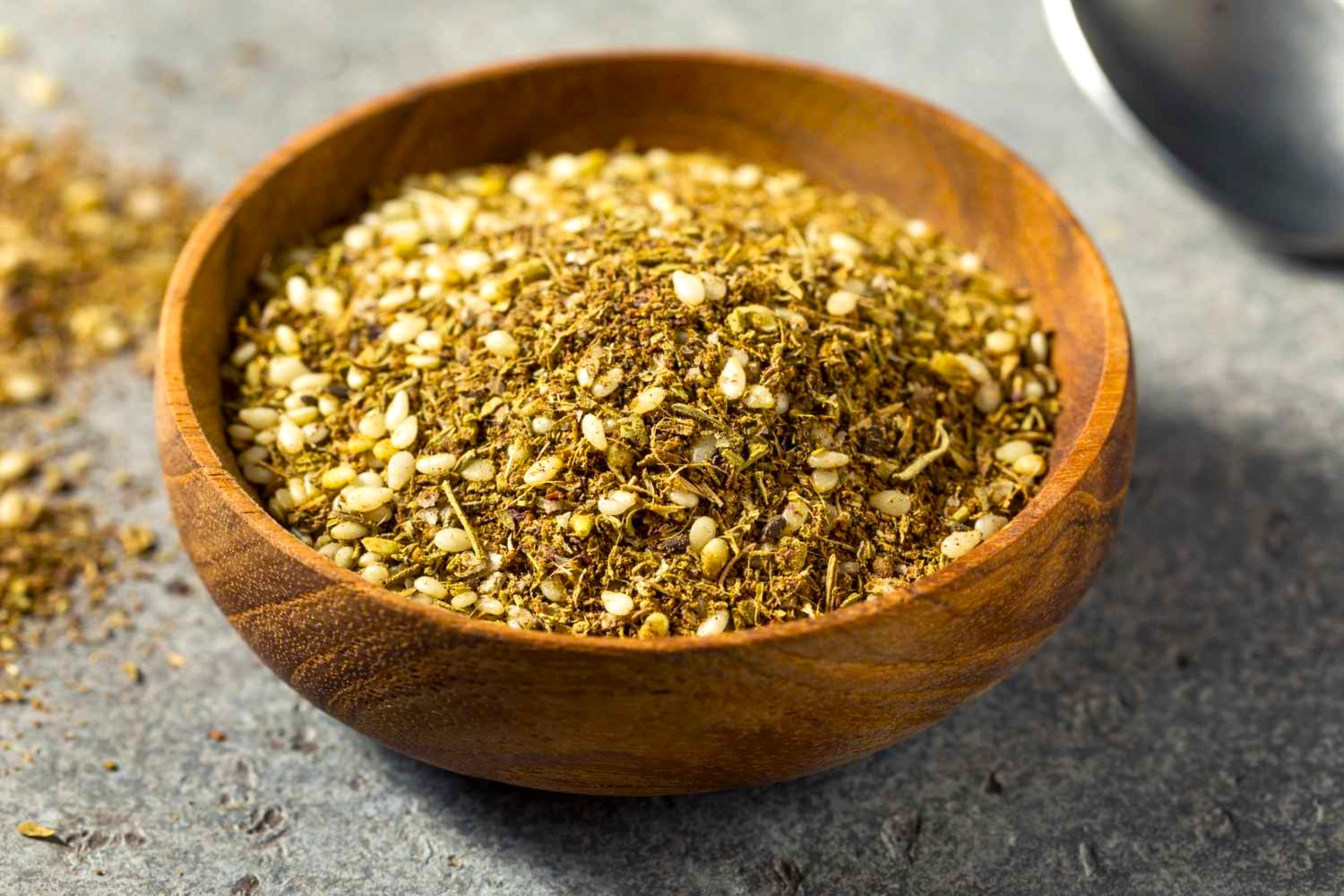
Argan (Argania Spinosa)
The Argan tree is often called “the tree of life” in southwestern Morocco, and for good reason. It grows almost exclusively in the Souss-Massa region, where local women’s cooperatives extract its precious oil through traditional hand-pressing methods. Argan oil is celebrated for its high levels of antioxidants, vitamin E, and essential fatty acids, making it both a nutritional and medicinal treasure. Traditionally, Moroccans used it not only for beauty care but also to soothe joint pain, nourish the heart, and heal skin irritations. Modern research confirms many of these benefits, showing how ancient wisdom continues to inspire contemporary natural treatments around the world.
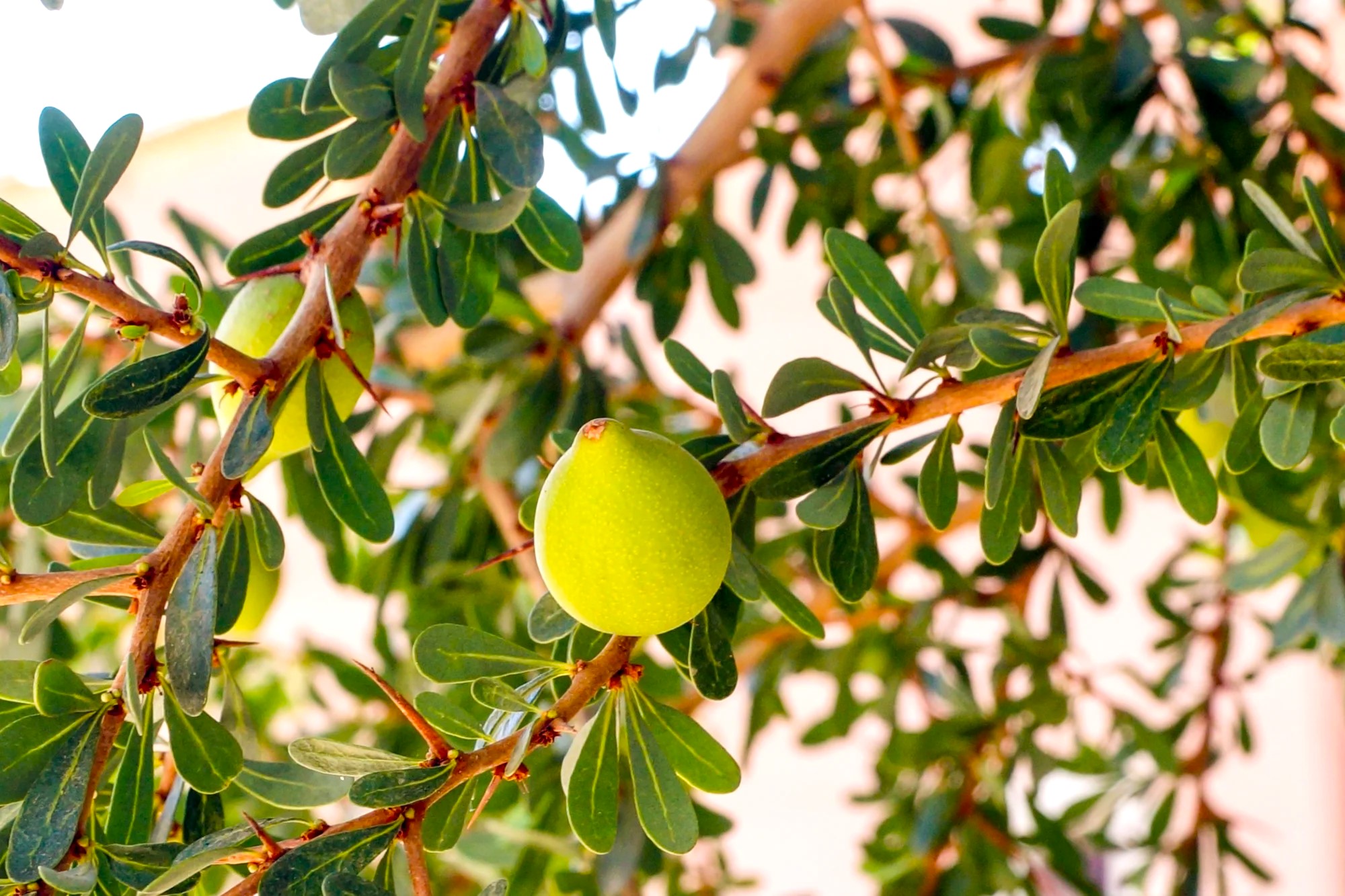
Rosemary (Azir in Amazigh)
Rosemary, known locally as Azir, grows freely on the rocky hillsides of the Atlas. In Moroccan homes, it is one of the most versatile herbs, used both for healing and in spiritual rituals. When brewed as a tea, rosemary improves circulation, supports memory, and helps relieve fatigue. The steam from boiling rosemary leaves is also inhaled to clear the sinuses and lungs, while in the hammam, its fragrant infusion is poured over hot stones to purify the air and rejuvenate the body. This herb symbolizes clarity, strength, and renewal, all core values in the philosophy of Moroccan herbal healing.
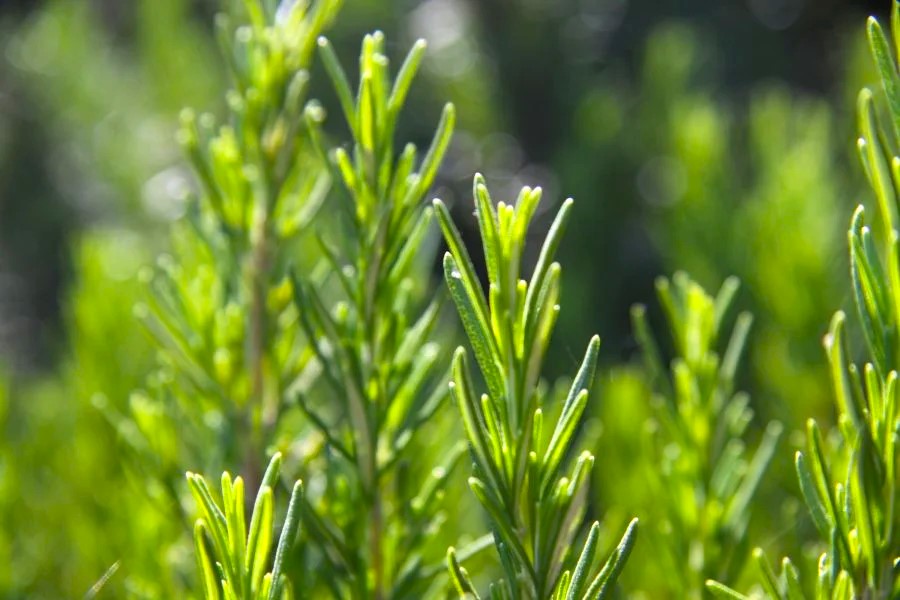
Thyme (Za’atar)
Wild thyme, or Za’atar, is a sacred plant in Morocco’s mountainous regions. Known for its intense aroma and powerful antibacterial properties, thyme is a trusted natural antibiotic. Families often prepare thyme tea with a touch of honey to fight colds, relieve coughs, and boost the immune system. In traditional medicine, thyme is also used externally to clean wounds or reduce inflammation. For many Moroccans, the scent of thyme tea brings memories of childhood care and home comfort, embodying the nurturing essence of family and nature.
Verbena (Louiza)
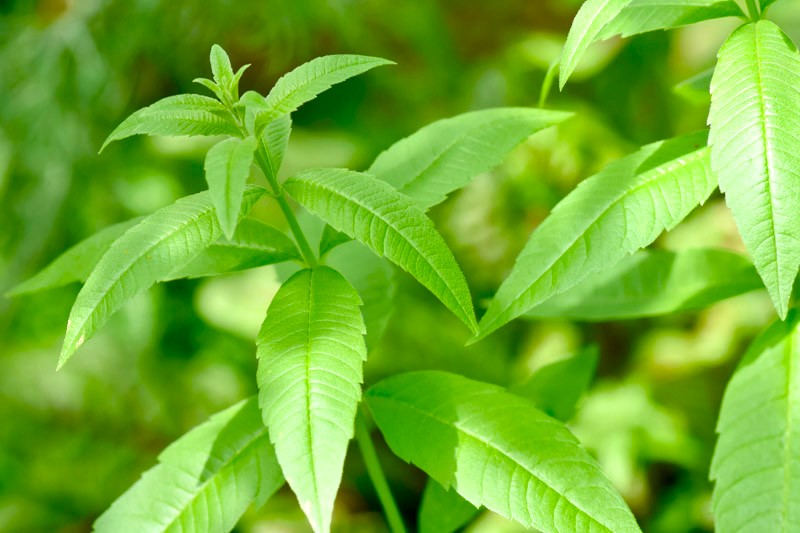
Fragrant verbena, called Louiza, is one of the most beloved herbal teas in Morocco. With its refreshing lemon aroma, it is the drink of calmness and hospitality. Verbena tea is served to relieve anxiety, ease digestion, and improve sleep after rich meals. In traditional Moroccan remedies, it is also used to balance emotions and reduce stress, reflecting the belief that health is harmony between body and mind. Many Moroccan families keep verbena leaves in their kitchens, ready to prepare a comforting cup whenever tension or restlessness arises.
Nigella (Black Seed)
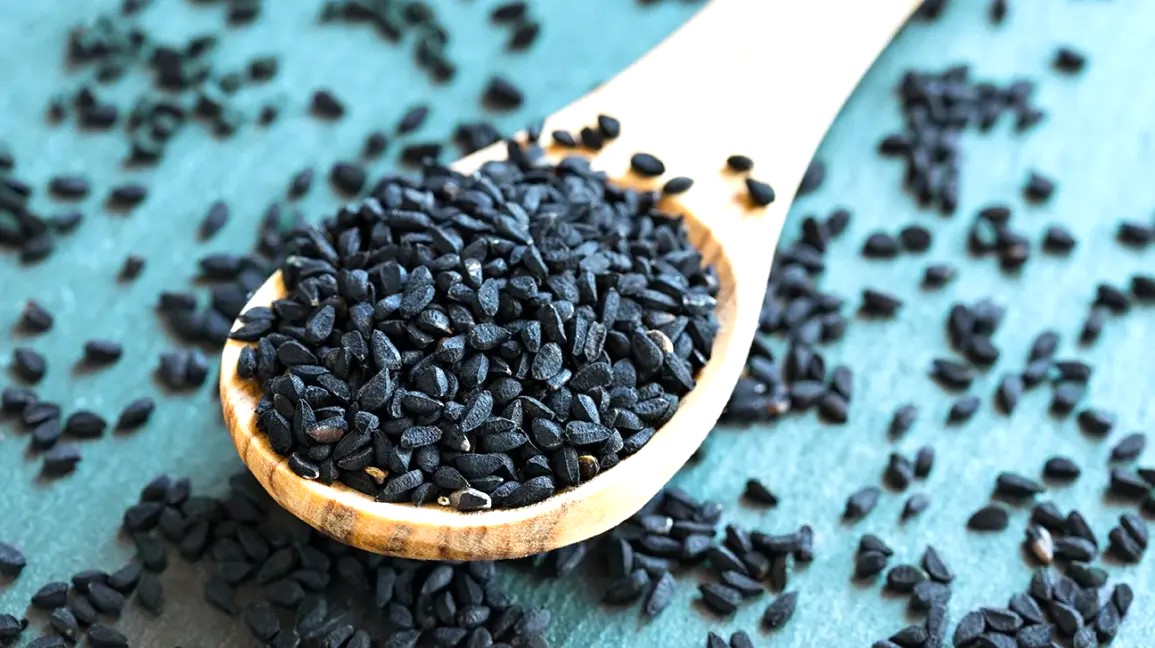
The black seed, or Habbah Saouda, holds a sacred place in Moroccan culture. Mentioned in Islamic medicine and the sayings of the Prophet Muhammad, it is described as a cure “for every disease except death.” The tiny seeds and their oil are used to strengthen immunity, reduce inflammation, and regulate blood sugar. Moroccans often add black seeds to bread or take a spoonful of its oil in the morning for vitality. Its reputation as a “blessed seed” makes it one of the most respected elements in traditional Moroccan remedies, symbolizing both faith and health.
Mint (Na’na)
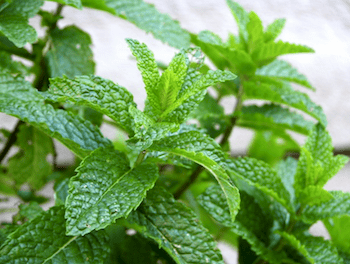
Few herbs define Morocco as clearly as mint. Fresh mint leaves are at the heart of the famous Moroccan tea ceremony, but their benefits go far beyond taste. Mint helps relieve nausea, calm stomach cramps, and refresh the breath. Its cooling properties make it perfect for hot climates, and its aroma is believed to lift the mood and clear the mind. Whether enjoyed in a bustling café in Marrakech or a family courtyard in Fez, mint tea embodies the warmth, health, and hospitality that Moroccan culture cherishes.
Traditional moroccan remedies for common AILMENTS
For centuries, Moroccan families have trusted the healing power of nature to treat everyday ailments. Before modern pharmacies existed, people relied on the wisdom of mothers, grandmothers, and community herbalists to restore health using what the land provided. Even today, these traditional Moroccan remedies remain part of daily life, reflecting the belief that true healing begins with balance between the body, the mind, and the earth.
Digestive Health
After hearty Moroccan meals rich in spices and olive oil, it is common to sip a warm cup of mint or verbena tea. These infusions help soothe the stomach, reduce bloating, and aid digestion. In rural areas, a pinch of ground cumin mixed with water is still taken as a quick remedy for stomach cramps. Families also rely on anise seeds and fennel tea to calm the digestive system and relieve discomfort in children. These natural treatments are gentle, effective, and deeply rooted in Moroccan daily culture, where the line between food and medicine often disappears.
Colds and Respiratory Issues
When winter comes to the mountain regions, the smell of thyme, eucalyptus, and honey fills Moroccan homes. To clear the chest and lungs, people boil thyme leaves or add drops of eucalyptus oil to steaming water for inhalation. Many families also prepare a syrup of honey and black seed oil, taken each morning to boost immunity and prevent infections. In hammam rituals, herbs like rosemary are added to steam baths to open airways and revitalize breathing, blending physical treatment with the soothing comfort of warm air and scent.
Skin and Hair Care
Beauty and health are closely linked in Moroccan herbal medicine. The Argan tree provides an oil that is famous worldwide for its cosmetic use, but in Morocco it has long served as a natural moisturizer, wound healer, and anti-aging remedy. Women also use olive oil and black soap made from crushed olives to cleanse and soften the skin. In the hammam, a traditional exfoliation with the kessa glove removes impurities while stimulating blood circulation. For the hair, henna and rosemary water are applied to strengthen the roots, leaving a natural shine. These treatments are not just about appearance; they represent a deeper connection between care, purity, and respect for nature’s gifts.
Stress and Fatigue
In Moroccan culture, herbs are used not only for physical health but also for emotional and spiritual balance. A cup of verbena or lavender tea is the traditional answer to a stressful day. These calming herbs help relax the nerves and encourage restful sleep. In some regions, rosewater distilled from Damask roses of the Valley of Roses is sprinkled on the face to refresh and renew energy. Many Moroccan herbalists also prepare blends of ginseng, rosemary, and sage to enhance concentration and vitality, especially during long working days or fasting periods in Ramadan.
Spiritual and Protective Remedies
Health in Morocco is viewed as harmony not only within the body but also between the person and the unseen world. For that reason, many traditional Moroccan remedies include spiritual elements. Burning wormwood (Shih) or rue (Fijel) is believed to purify the home and repel negative energy. Some healers combine Quranic verses with herbal mixtures, understanding that physical recovery and spiritual peace often go hand in hand. This holistic approach is what makes Moroccan healing unique — a blend of science, spirituality, and faith in nature.
Women’s Health and Family Care
Herbal knowledge is often passed down through women, who have traditionally been the guardians of family wellness. For menstrual discomfort, women drink anise or cinnamon infusions to reduce pain and balance the body’s natural cycles. During childbirth recovery, warm baths infused with rosemary and lavender help relax the muscles and calm the spirit. Mothers also prepare mild herbal teas like chamomile for babies suffering from colic, continuing the ancient chain of care that links generations through the language of plants.
These practices prove that natural Moroccan treatments are not just remnants of the past but living traditions that still bring comfort and healing to countless families. They blend physical relief, emotional peace, and spiritual renewal, offering a vision of health that feels timeless and deeply human.
Discover the secrets of Moroccan herbal medicine!
Contact Holiday Morocco Tours to explore Morocco’s natural remedies, from healing herbs and traditional teas to immersive visits with local herbalists and wellness experiences.
The Role of the Attarine: Morocco’s Herbal Masters
In the heart of Moroccan cities and towns, the legacy of Moroccan herbal medicine is preserved by the Attarine, the traditional herbalists who have served their communities for generations. The term Attarine comes from the Arabic word for “herbalist” or “perfumer,” reflecting the dual role these masters play in both health and the sensory world of scents and flavors. Their shops, often located in bustling souks like those in Marrakech and Fez, are treasure troves of dried herbs, essential oils, powders, and resins.
These herbalists are much more than shopkeepers. They are keepers of centuries-old knowledge, blending practical medicine with spiritual guidance. A skilled Attarine knows which herbs to combine for digestive issues, respiratory ailments, skin care, or energy and mental clarity. Many also incorporate rituals, prayers, and subtle aromatherapy techniques, reflecting the Moroccan belief that healing is both physical and spiritual.
Among the herbs most frequently sold in these markets are argan, rosemary, thyme, and verbena. Each jar or bag carries centuries of experience, and the Attarine often customizes remedies according to individual needs. Visitors to Morocco often marvel at the vibrant colors, exotic aromas, and careful organization of these herbal shops, where every plant seems to tell a story.
The Attarine also play a key role in preserving Morocco’s biodiversity. Many herbs are harvested sustainably from wild regions or cultivated carefully to prevent overexploitation. This practice ensures that the healing plants of Morocco remain available for future generations, supporting not only health but also environmental conservation and local economies.
By combining scientific knowledge, cultural tradition, and spiritual insight, the Attarine embody the essence of traditional Moroccan remedies. They are living links to the past, preserving techniques and philosophies that modern medicine often overlooks. Their continued presence in Moroccan society shows that herbal medicine is not merely historical but a thriving, respected system that continues to enrich everyday life.
A Living Heritage of Healing
Moroccan herbal medicine is far more than a collection of remedies. It is a living heritage that intertwines nature, culture, and tradition, reflecting centuries of wisdom from the Amazigh (Berber), Arab, and Andalusian influences. From the fragrant herbs of the Atlas Mountains to the iconic Argan tree of the southwest, Morocco offers a treasure trove of healing herbs, teas, oils, and natural treatments that have been used for generations to restore balance, strengthen the body, and calm the mind.
Today, traditional Moroccan remedies are experiencing a revival as modern science begins to validate what Moroccan healers have known for centuries. Herbs like rosemary, thyme, verbena, and nigella are not only part of daily wellness rituals but are also inspiring natural therapies worldwide. The knowledge preserved by Attarine, the herbal masters of Moroccan souks, ensures that this wisdom continues to thrive, connecting visitors and locals alike to a rich, holistic approach to health.
Whether you are exploring the bustling markets of Marrakech, sipping a cup of verbena tea in a quiet mountain village, or discovering the magic of argan oil, Moroccan herbal medicine offers a unique journey into the heart of a culture that values harmony between body, mind, and nature. Its remedies are more than practical—they are an invitation to experience a lifestyle rooted in wellness, sustainability, and respect for the natural world.
For anyone curious about the history, culture, and power of Morocco’s healing traditions, embracing natural Moroccan treatments provides insight into a holistic and timeless way of life.
For more information and to plan your trip, contact us here.