
How Zellige Tiles Are Made: A Craft of Patience and Precision
Introduction: Discover the Beauty of Zellige Tiles
Zellige Tiles are more than just decorative elements—they are a testament to Moroccan craftsmanship, history, and artistic precision. These intricate, colorful tiles are a hallmark of Moroccan architecture, adorning palaces, mosques, riads, and modern interiors around the world. Their unique geometric patterns and vibrant colors capture the eye, while the painstaking process behind each tile reflects centuries of tradition and artisan skill.
The art of creating Zellige Tiles is a delicate balance of patience, precision, and creativity. Every piece is handmade, cut by hand into precise shapes, and arranged to form mesmerizing mosaics that can take days, weeks, or even months to complete. This meticulous process ensures that no two tiles are ever exactly alike, giving each project its own character and charm.
Zellige Tiles are celebrated not only for their aesthetic beauty but also for their cultural significance. They reflect the fusion of Moroccan, Berber, and Islamic art influences, carrying stories of Morocco’s rich history. For interior designers and travelers alike, Zellige Tiles offer a glimpse into the country’s artistic heritage and enduring dedication to craftsmanship.
The History and Origins of Zellige Tiles
Zellige Tiles have a rich history that stretches back centuries, making them an integral part of Moroccan and North African heritage. The word “Zellige” comes from the Arabic “zallīj,” meaning “small polished stone,” which perfectly reflects the painstaking care artisans put into each tiny piece of tile.
Origins in Morocco and the Maghreb
While Zellige Tiles are most famously associated with Morocco, their roots extend throughout the Maghreb region, including Algeria and Tunisia. The art form emerged around the 10th century and flourished under Islamic rule, when the demand for intricate geometric decoration in mosques, palaces, and madrasas (educational institutions) soared.
Influence of Islamic Art and Geometry
Islamic art, with its emphasis on symmetry, repetition, and intricate geometry, heavily influenced the design of Zellige Tiles. These patterns often feature stars, polygons, and interlacing shapes that symbolize infinity and unity. The spiritual and philosophical undertones of these designs made Zellige Tiles a centerpiece in sacred and secular spaces alike.
Historical Applications
-
Palaces and Riads: Zellige Tiles were used to adorn grand courtyards, fountains, and walls, reflecting the wealth and taste of Moroccan royalty.
-
Mosques: Their vibrant patterns decorated prayer halls and mihrabs (prayer niches), creating a sense of harmony and contemplation.
-
Public Spaces: Fountains, squares, and madrasa interiors often displayed Zellige Tile mosaics to inspire admiration and cultural pride.
Cultural Significance
Zellige Tiles are not just decorative—they are a cultural statement. They embody Moroccan identity, artistic ingenuity, and the continuation of centuries-old traditions. Each tile is a symbol of the country’s devotion to craftsmanship and aesthetic perfection, connecting modern Morocco with its historical roots.
Crafting Zellige Tiles: Shaping and Cutting
The transformation of raw materials into beautiful Zellige Tiles is a meticulous process that combines both artistry and technical skill. Every step, from molding the clay to cutting each piece, demands patience and precision.
Preparing and Molding the Clay
Once the clay is kneaded and purified, it is shaped into flat slabs using hands or a rolling tool. The thickness of each slab is carefully controlled to ensure uniformity, typically around one centimeter. These slabs form the base for each individual tile, providing the canvas for color and pattern.
Drying and Initial Firing
Before cutting, the clay slabs are left to dry slowly in shaded areas. Rapid drying can cause cracks, so artisans monitor humidity and temperature carefully. Once dried, the tiles undergo a first firing in a kiln at moderate temperatures. This initial firing strengthens the clay, making it ready for precise cutting and coloring.
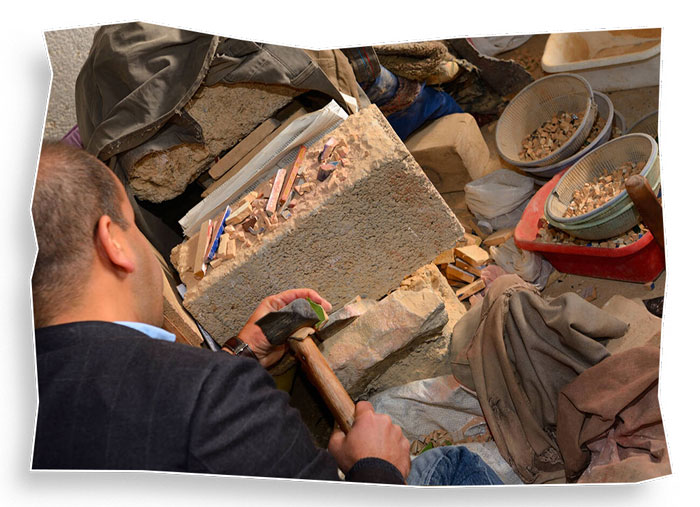
Cutting the Tiles
After firing, artisans cut the tiles into geometric shapes using specialized tools such as small hammers, chisels, or metal guides. Common shapes include squares, triangles, hexagons, and stars, depending on the design. Cutting requires extreme accuracy, as even a minor deviation can disrupt the symmetry of the final mosaic.
Attention to Detail
Each tile is inspected for consistency in thickness, shape, and surface smoothness. Imperfect pieces are either corrected or discarded. This careful attention ensures that the assembled Zellige pattern will fit perfectly, producing the seamless, intricate mosaics that are the hallmark of Moroccan design.
The shaping and cutting process is where raw clay begins to become art. It reflects the skill, patience, and precision that define traditional Zellige Tiles, making each piece a testament to centuries of Moroccan craftsmanship.
Coloring and Glazing Zellige Tiles
The vibrant colors and glossy finish of Zellige Tiles are achieved through a careful process of coloring and glazing, which transforms plain clay shapes into dazzling mosaics. This stage requires both artistic sensibility and technical precision.
Applying Natural Pigments
Once the tiles are cut and fired for the first time, artisans hand-apply natural mineral pigments to their surfaces. Each color is carefully mixed with water to achieve the desired intensity. The choice and combination of pigments allow for endless variations in patterns and shades, from deep cobalt blues and lush greens to rich reds and earthy tones.
Glazing the Tiles
After coloring, a thin layer of glaze is applied over the surface of each tile. The glaze serves multiple purposes:
-
Enhancing the vibrancy and depth of the pigments
-
Protecting the tile from moisture and wear
-
Giving the surface a smooth, glossy finish
The glaze is applied evenly to ensure consistency across the entire batch of tiles, a step that requires steady hands and attention to detail.
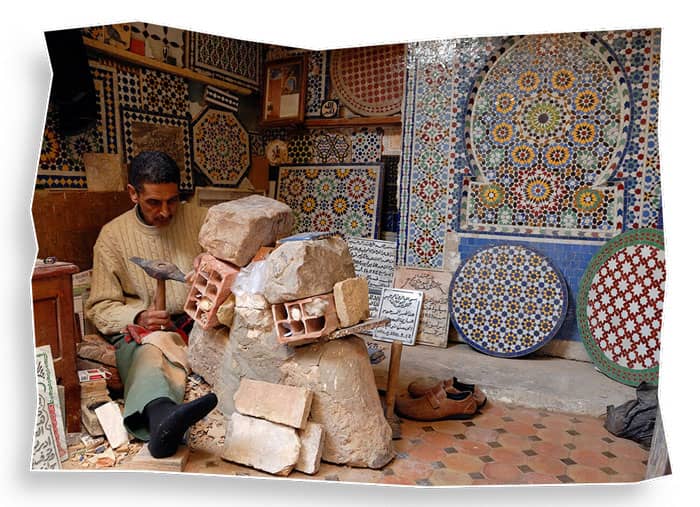
Final Firing
Once glazed, the tiles are fired in a kiln at high temperatures. This second firing sets the colors and glaze, producing durable, long-lasting tiles with a signature shine. The firing process is critical; too much heat can distort the colors, while too little may prevent the glaze from fully bonding.
Artistic Considerations
Artisans often plan the color arrangement in advance, especially for complex geometric patterns. Each tile’s shade and placement are carefully chosen to create balance and harmony in the final mosaic. The process is labor-intensive but results in the stunning, intricate designs that make Zellige Tiles so iconic.
Coloring and glazing are what give Zellige Tiles their unmistakable beauty, turning raw clay into art that can transform walls, floors, and decorative elements into timeless pieces of Moroccan heritage.
Experience the Magic of Zellige Tiles
Bring the beauty of Zellige Tiles into your world. Visit Morocco to see artisans at work, explore their vibrant mosaics in historic palaces and riads, or add a touch of Moroccan craftsmanship to your own home. Each tile tells a story—let it inspire your space and support the centuries-old tradition that makes Moroccan design truly unforgettable.
Assembling Zellige Tiles into Patterns
The true artistry of Zellige Tiles comes alive in the assembly stage, where individual pieces are meticulously arranged to form intricate, harmonious mosaics. This is where the skill and precision of the artisan are most evident.
Planning the Design
Before assembly begins, the overall pattern is carefully planned. Traditional Moroccan Zellige designs often feature geometric motifs such as stars, polygons, and interlacing shapes. Artisans may sketch the pattern on paper or directly on the surface to ensure proper symmetry and alignment.
Arranging the Tiles
Each tile is placed by hand, following the pre-determined design. The process requires incredible patience, as even a slight misalignment can disrupt the pattern. Artisans work slowly and methodically, checking angles, spacing, and color placement as they progress.
Using Precision Tools
Specialized tools, such as wooden templates, hammers, and chisels, help artisans fit tiles precisely together. For larger mosaics, tiles may be assembled in sections and then carefully joined to maintain uniformity.
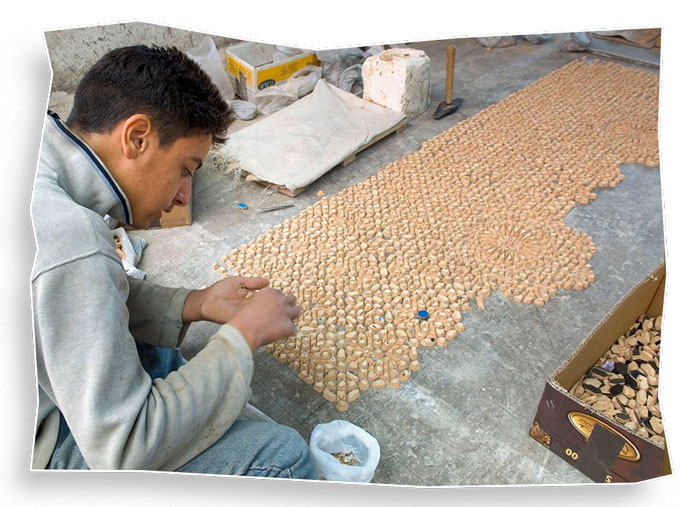
Maintaining Symmetry and Harmony
One of the hallmarks of Zellige Tiles is their perfect geometric harmony. Achieving this requires not only technical skill but also an intuitive sense of balance. Artisans must anticipate how each tile will interact with its neighbors, adjusting placement to maintain the fluidity of the pattern.
The Final Mosaic
Once all tiles are in place, the mosaic is polished, and the gaps between tiles are filled with a fine layer of grout or cement to secure the pieces. The result is a seamless, mesmerizing surface that exemplifies Moroccan craftsmanship at its finest.
The assembly of Zellige Tiles is a labor-intensive process that combines creativity, mathematics, and patience. It is this careful orchestration that transforms individual clay pieces into breathtaking works of art that have adorned Moroccan architecture for centuries.
The Artisan’s Skill and Patience
The creation of Zellige Tiles is not just a technical process—it is a craft passed down through generations, relying heavily on the skill, patience, and dedication of Moroccan artisans. Each tile reflects hours of meticulous work and a deep understanding of materials, geometry, and design.
Mastering the Craft
Becoming a Zellige artisan often requires years of apprenticeship. Young craftsmen learn to prepare clay, mix pigments, cut precise shapes, and assemble intricate patterns under the guidance of experienced masters. The process is rigorous, demanding both steady hands and an eye for detail.
Attention to Detail
Artisans carefully examine every tile for consistency in thickness, color, and shape. Even minor imperfections are corrected immediately, as one misaligned tile can affect the symmetry of an entire mosaic. This dedication to perfection is what sets handcrafted Zellige Tiles apart from mass-produced alternatives.
Patience and Precision
The process of making Zellige Tiles is slow and deliberate. From kneading the clay to the final assembly, artisans work step by step, often spending weeks on a single mosaic. This patience ensures that each piece contributes to the overall harmony and beauty of the design.
Challenges in the Modern Era
In today’s fast-paced world, traditional Zellige artisans face challenges such as competition from industrial tile production and the risk of declining interest in handcrafts. However, dedicated artisans continue to preserve this heritage, adapting techniques while maintaining authenticity.
The Human Touch
Ultimately, Zellige Tiles are a celebration of human creativity and craftsmanship. No machine can replicate the subtle variations, depth, and character imparted by a skilled artisan. Each tile is a testament to Morocco’s cultural legacy and the enduring value of handcraftsmanship.
Modern Uses of Zellige Tiles
While Zellige Tiles have deep historical roots, their beauty and versatility have ensured their continued relevance in modern design. Today, they are celebrated not only for their traditional appeal but also for their ability to enhance contemporary spaces with color, texture, and geometric elegance.
Interior Design
Zellige Tiles are increasingly used in modern homes and commercial spaces. Designers incorporate them in kitchens as backsplashes, in bathrooms for walls and floors, and in living areas to create accent walls. Their intricate patterns bring depth and sophistication, turning ordinary surfaces into focal points of artistic expression.
Hospitality Spaces
Hotels, restaurants, and cafes in Morocco and around the world use Zellige Tiles to evoke a sense of authenticity and luxury. They add cultural richness and an artisanal touch to interiors, creating memorable experiences for visitors while highlighting Moroccan heritage.
Furniture and Decorative Elements
Beyond walls and floors, Zellige Tiles are now applied to furniture, tabletops, and decorative objects. Their adaptability allows artisans and designers to blend traditional Moroccan craftsmanship with modern aesthetics, resulting in pieces that are both functional and visually striking.
Architectural Integration
Modern architects integrate Zellige Tiles into new constructions and renovations, combining traditional Moroccan motifs with contemporary materials and layouts. This fusion maintains cultural authenticity while meeting the demands of modern living.
Sustainability and Craft Preservation
Choosing Zellige Tiles supports local artisans and sustainable craftsmanship. Unlike mass-produced tiles, these handmade pieces are durable, eco-friendly, and maintain cultural heritage, making them a responsible choice for designers and homeowners alike.
By bridging tradition and modernity, Zellige Tiles continue to inspire creativity and elevate spaces, proving that this centuries-old craft remains as relevant and captivating today as it was in Morocco’s historic palaces and mosques.
Preserving the Art of Zellige Tiles
The tradition of Zellige Tiles is more than decorative—it is a vital part of Morocco’s cultural heritage. Preserving this art form ensures that future generations can continue to appreciate and create these intricate mosaics, maintaining a connection to centuries of Moroccan craftsmanship.
Supporting Artisans
One of the most effective ways to preserve Zellige Tile artistry is by supporting local artisans. Workshops and cooperatives provide training, employment, and a platform for selling authentic handmade tiles. By purchasing Zellige Tiles directly from these sources, consumers help sustain the livelihoods of skilled craftsmen.
Educational Initiatives
Several Moroccan institutions and cultural organizations run programs to teach young artisans the techniques of Zellige Tile making. Apprenticeships ensure that traditional knowledge, such as clay preparation, pigment mixing, and geometric assembly, is passed down to new generations.
Promoting Cultural Heritage
Zellige Tiles are a symbol of Moroccan identity, and promoting awareness about their cultural and historical significance helps preserve interest in this craft. Exhibitions, cultural tours, and media features play a crucial role in educating both locals and international audiences.
Adapting to Modern Needs
While tradition is paramount, innovation ensures survival. Modern artisans experiment with new patterns, colors, and applications without compromising authenticity. This adaptability allows Zellige Tiles to remain relevant in contemporary architecture and design while respecting their heritage.
Challenges to Preservation
Despite these efforts, the craft faces challenges: competition from mass-produced tiles, urban development, and a shrinking pool of skilled artisans. Preserving Zellige Tiles requires continuous investment, public awareness, and a commitment to valuing craftsmanship over convenience.
Preserving the art of Zellige Tiles is not just about maintaining decorative objects—it is about safeguarding Moroccan cultural identity, honoring centuries of artisan skill, and ensuring that future generations can experience the beauty and precision of this timeless craft.
Conclusion: Appreciating Zellige Tiles
Zellige Tiles are more than decorative pieces—they are a celebration of Moroccan heritage, artistry, and meticulous craftsmanship. From the careful selection of clay and pigments to the precise cutting, glazing, and assembly, every step reflects patience, skill, and dedication. Each tile tells a story of tradition passed down through generations, combining artistic vision with geometric perfection.
Understanding the process behind Zellige Tiles deepens our appreciation for their beauty and the artisans who create them. These handcrafted mosaics are not only visually stunning but also culturally significant, connecting modern spaces with centuries of Moroccan history.
Whether adorning a historic palace, a modern home, or a boutique hotel, Zellige Tiles continue to inspire awe and admiration. Their enduring appeal lies in their ability to blend tradition and artistry, making every mosaic a timeless work of art.
By recognizing the skill, patience, and cultural value behind each tile, we honor the artisans and the rich heritage they preserve—ensuring that Zellige Tiles remain a symbol of Moroccan craftsmanship for generations to come.