
Traditional Moroccan Teas: Unlocking the Health Benefits of Every Sip
Morocco is renowned for its rich culture, flavorful cuisine, and most of all, its traditional teas. Beyond their delightful taste and aromas, these teas have been used for centuries to promote health, wellness, and vitality. Moroccan tea culture is more than a daily ritual—it reflects a deep connection to local herbs, natural remedies, and centuries of holistic knowledge.
The most iconic Moroccan tea is mint tea, or atai, made with Moroccan spearmint (Mentha spicata) and locally grown green tea leaves. Served sweetened and poured from a height to create frothy bubbles, it is a symbol of hospitality and respect. Beyond tradition, this tea is a natural digestive aid, helping to calm the stomach, relieve bloating, and relax the nerves after meals.
Other traditional Moroccan teas feature herbs native to Morocco’s landscapes. Verbena (Aloysia citrodora), widely cultivated in the Atlas Mountains, is cherished for its calming and digestive properties, while locally grown sage (Salvia officinalis) and chamomile (Matricaria chamomilla) are used to reduce stress, improve sleep, and support overall wellness. Each herb is carefully harvested and prepared according to Moroccan tradition, maintaining both flavor and medicinal value.
Enjoying Moroccan tea is more than a culinary experience, it is a ritual of wellness, combining the benefits of local herbs with centuries of natural healing wisdom. In this guide, we will explore the most beloved Moroccan teas, their health benefits, and practical tips for incorporating them into your daily routine to promote balance, vitality, and relaxation.
The Most Popular Moroccan Teas and Their Health Benefits
Moroccan tea culture offers more than comfort; it offers wellness. The most beloved herbs used in Morocco’s traditional infusions each carry unique benefits, supporting digestion, immunity, and vitality. Below are three of the best‑documented herbs used in Moroccan teas, along with their health roles and how they are enjoyed.
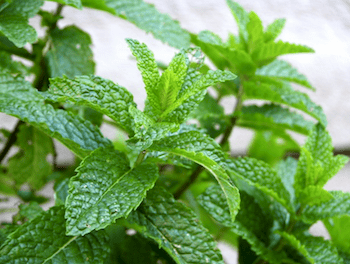
Na’na (Moroccan Mint)
Fresh Moroccan mint, known locally as na’na, is the cornerstone of the classic Moroccan mint tea, often referred to as atai. This aromatic herb is steeped alongside green tea leaves, creating a drink that not only refreshes but aids digestion, relieves bloating, and stabilizes the stomach after rich or spicy meals. Its cooling and cleansing properties are part of why the mint tea ritual has endured in Moroccan homes and cafés for generations.
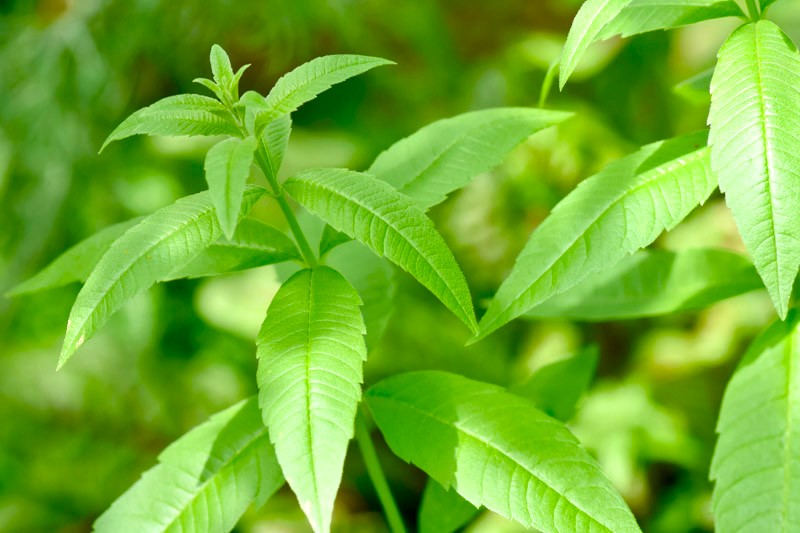
Louiza (Lemon Verbena)
Lemon verbena, called louiza in Morocco, is a caffeine‑free infusion herb prized for its lemony fragrance and soothing qualities. Traditionally consumed after meals or in the evening, louiza tea helps relieve digestive discomfort, calm the nerves, and promote restful sleep. Families often keep a sachet of dried louiza leaves on hand for a calming cup before bed or as a gentle remedy for stomach tension.
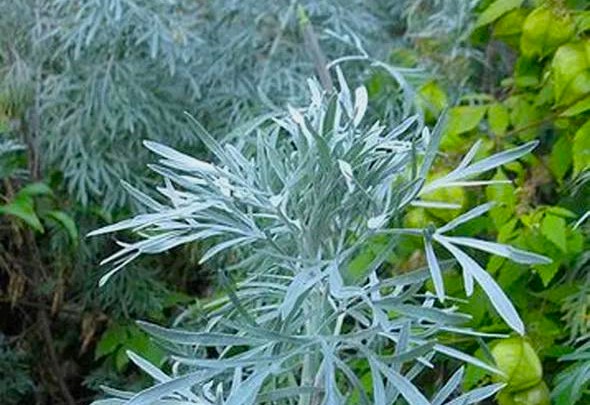
Chiba / Sheeba (Wormwood)
Wormwood, locally known as chiba or sheeba, is used especially in the cooler months when fresh mint is less available. This bitter‑herbal tea is added to the usual mint‑and‑green‑tea base to warm the body, stimulate circulation, and support respiratory wellness. Its strong flavor is balanced by the sweetness and aromas of mint, making it both a traditional treat and a natural tonic.
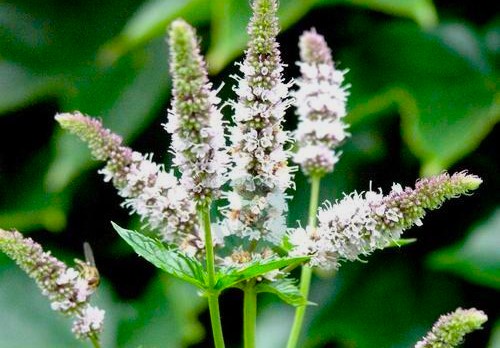
Fliou (Menthe Pouliot)
A less common but well‑used herb is menthe pouliot (Mentha pulegium), known in Moroccan dialect as fliou. This wild mint is harvested in wetter parts of Morocco and is valued for its digestive and respiratory support. Used as a simple infusion, fliou helps relieve coughs and throat irritation, and is sometimes mixed into tea blends for a deeper minty taste and wellness boost.
By choosing these authentic Moroccan herbs, you can enjoy tea not just for flavor but for health. Each sip becomes an invitation to connect with the tradition of Moroccan natural wellness, where a cup of tea is also a moment of healing, balance, and heritage.
How to Prepare and Enjoy Moroccan Teas for Wellness
Traditional Moroccan teas are as much about ritual as they are about flavor and health. Using authentic herbs like na’na (Moroccan mint), louiza (lemon verbena), chiba (wormwood), and fliou (menthe pouliot) ensures that each cup delivers both wellness benefits and cultural authenticity. Here’s how to prepare them and enjoy their full potential.
Classic Moroccan Mint Tea (Na’na)
Moroccan mint tea is the most iconic infusion and a symbol of hospitality. To prepare:
- Boil water and rinse a handful of green tea leaves briefly to remove bitterness.
- Add fresh na’na leaves and sugar to taste.
- Pour water over the leaves, stir gently, and let steep for a few minutes.
- Pour from a height into small glasses to create the characteristic froth.
This tea aids digestion, relieves bloating, and provides a refreshing boost of natural antioxidants. It is often served after meals or during social gatherings, making it a drink for both wellness and connection.
Louiza Tea (Lemon Verbena)
Louiza tea is naturally caffeine-free and is prized for its calming and digestive properties. To brew:
- Place fresh or dried louiza leaves into a teapot.
- Pour boiling water over the leaves and steep for 5–7 minutes.
- Add honey if desired for a gentle sweetness.
Louiza tea is ideal in the evening to relax, reduce stress, and improve sleep quality. Its lemony aroma is both uplifting and soothing, making it a favorite for health-conscious Moroccans.
Chiba / Sheeba Tea (Wormwood)
Chiba tea is used for its warming, stimulating qualities. Prepare it by mixing a small amount of dried chiba leaves with green tea or mint. Steep for 3–5 minutes and add sugar to balance the bitter notes. Chiba tea supports digestion, circulation, and respiratory wellness, making it particularly valuable during colder months.
Fliou Tea (Menthe Pouliot)
Fliou is harvested in wild Moroccan regions and used in smaller quantities due to its potent flavor. Brew fliou leaves alone or combined with mint for a refreshing, digestive, and respiratory-supporting infusion. Steeping for 5–7 minutes preserves its natural oils and therapeutic benefits.
Tips for Maximum Health Benefits
- Always use fresh or high-quality dried herbs to ensure potency.
- Avoid over-boiling, which can destroy delicate essential oils.
- Combine herbs according to taste and desired wellness effect. For example, mint + louiza for relaxation or mint + chiba for digestive stimulation.
- Enjoy Moroccan tea slowly as a ritual; the act of pouring and sipping is part of the holistic wellness experience.
By preparing Moroccan teas mindfully, you turn a simple beverage into a daily wellness practice. Each cup becomes an opportunity to support digestion, calm the mind, and connect with the centuries-old traditions of Moroccan herbal knowledge.
Sip the traditions of Morocco!
Contact Holiday Morocco Tours to discover the art of Moroccan teas, learn from local tea masters, and experience the calming and healing rituals behind every cup.
The Cultural and Social Significance of Moroccan Teas
In Morocco, tea is far more than a drink—it is a symbol of hospitality, community, and cultural heritage. Every cup of tea carries with it centuries of tradition, connecting wellness practices with social rituals and Moroccan identity.
Tea as a Social Ritual
Serving tea is a sign of respect and hospitality in Moroccan homes. The act of preparing and pouring tea, especially the iconic mint tea (atai), is deliberate and ceremonial. Pouring the tea from a height into small glasses creates a frothy layer on top, symbolizing generosity and care for guests. These gatherings are opportunities not only to enjoy flavor but also to strengthen social bonds and share wellness practices.
Regional Herbal Traditions
Different regions of Morocco have developed their own tea traditions, reflecting local herbal knowledge. In the Atlas Mountains, for instance, villagers often use louiza (lemon verbena) and fliou (menthe pouliot), both of which thrive in highland climates. Coastal and urban areas favor na’na (Moroccan mint) as the staple for daily teas. These regional differences highlight how local ecology and culture shape natural Moroccan treatments.
Healing and Wellness in Every Cup
Moroccan teas are valued not only for taste but for their therapeutic properties. Herbs like mint, louiza, chiba, and fliou have been used for generations to aid digestion, soothe nerves, support respiratory health, and improve overall vitality. Drinking tea is a moment of wellness woven into daily life, showing that Moroccan culture views nourishment and health as inseparable from social and culinary traditions.
Preservation of Cultural Heritage
The preparation and consumption of Moroccan teas help preserve centuries-old knowledge about local herbs and their benefits. Visiting a traditional souk or home allows travelers to see, smell, and taste the living tradition of Moroccan herbal remedies. These teas are not only beverages, they are cultural treasures, connecting modern life with ancient Moroccan wisdom and natural medicine practices.
In essence, Moroccan teas are a bridge between culinary enjoyment, health, and cultural identity. They remind us that wellness is a holistic experience, combining social connection, ritual, and the therapeutic properties of nature. Every sip is a celebration of Morocco’s rich heritage and its enduring approach to natural health.
Embracing Traditional Moroccan Teas for Wellness
Traditional Moroccan teas are far more than flavorful beverages, they are a natural pathway to wellness, vitality, and cultural connection. Using authentic Moroccan herbs such as na’na (Moroccan mint), louiza (lemon verbena), chiba (wormwood), and fliou (menthe pouliot), these teas support digestion, relaxation, immune health, and overall vitality.
Drinking Moroccan tea is also a social and cultural experience. From the high‑pour frothy mint tea served to guests as a sign of hospitality to the regional herbal blends cherished in the Atlas Mountains, each cup reflects a balance of flavor, health, and tradition. Moroccan teas exemplify how natural Moroccan treatments are seamlessly integrated into daily life, creating moments of wellness in both body and mind.
For travelers, wellness enthusiasts, and anyone curious about herbal remedies, exploring Moroccan teas is a journey of taste, culture, and holistic health. By incorporating these teas into daily routines, you can enjoy not only the delicious flavors but also the healing properties and centuries of herbal knowledge that Morocco has preserved.
For more information and to plan your trip, contact us here.